Resume gaps aren't a big deal anymore
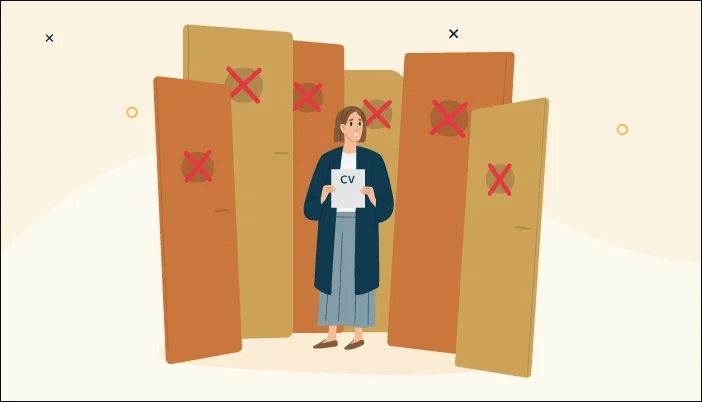
It’s important to remember that career gaps aren’t always a bad thing. There are several positive reasons why a candidate might have a career gap.There are also some more challenging reasons, such as personal health problems, being unable to secure an opportunity, redundancy, being fired or even career burnout.
The global pandemic has affected almost every sector in the last two years, forcing a high number of redundancy and job losses. Employers are much more understanding today if you’ve been let go or have been made redundant.
Make sure that you are always honest.
If you don’t there’s a high chance that the employer will reject your application straight away.
You may find yourself tempted to alter the dates and extend the years and months of your employment a little to cover the gaps. But think twice about embellishing as there’s a good chance the truth will come out during the reference check, anyway.
Don’t try to cover up your career gaps or pretend that they didn’t happen. Be honest about why you took your career gaps right from the beginning of the hiring/interview process.
Here’s some common reasons for career breaks, and some tips on how to explain them in both your resume and cover letter.
No matter how much you want to work, career gaps can sometimes be totally unavoidable. The best approach during the job application and interview process is to be transparent and honest. Where possible, always show the employer how you faced any challenges with strength and resilience, and how your experiences gave you skills that you can use in your new role. To know more , log on to www.envisionists.in